Buy locaflat.eu ?
We are moving the project
locaflat.eu .
Are you interested in purchasing the domain
locaflat.eu ?
domain@kv-gmbh.de · 0541-91531010
Buy locaflat.eu ?
Is the scooter's voltage regulator or the alternator defective?
It is difficult to determine whether the scooter's voltage regulator or the alternator is defective without further diagnostic testing. The voltage regulator controls the output of the alternator, so if the scooter is experiencing electrical issues, it could be due to a faulty voltage regulator not properly regulating the alternator's output. However, it is also possible that the alternator itself is not functioning correctly, leading to inconsistent power supply to the scooter's electrical system. A professional mechanic should be able to diagnose the issue by testing both components to determine which one is causing the problem. **
How can one utilize the voltage of the moped alternator?
One can utilize the voltage of the moped alternator by connecting it to a voltage regulator to ensure a stable output. This regulated voltage can then be used to charge the moped's battery, power the lights and other electrical components of the moped, or even power additional accessories like a phone charger or GPS unit. By harnessing the voltage of the alternator effectively, one can ensure a reliable and efficient electrical system for the moped. **

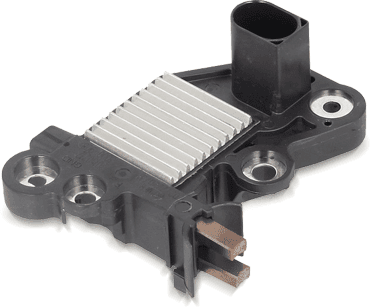
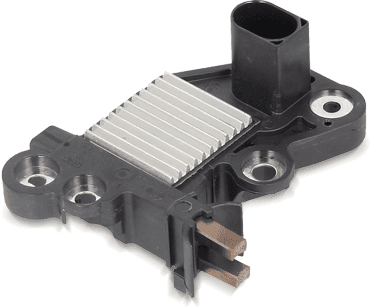
Similar search terms for ERA-215371-Alternator-voltage
Top-Angebote
Products related to ERA-215371-Alternator-voltage:
-
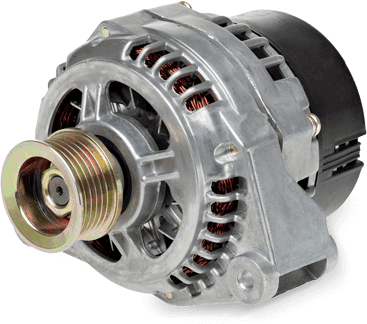
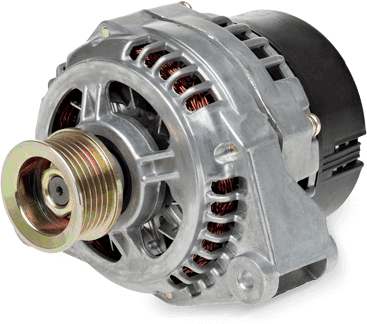
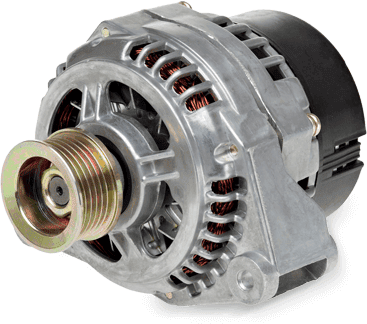
ERA 209537A AlternatorVoltage [V]: 14; Alternator Charging Current [A]: 150; Plug Type ID: B+COM; Belt Pulley Ø [mm]: 55; Pulleys: with freewheel belt pulley; alternatively: ; Rotation Direction: Clockwise rotation; Number of mounting bores: 2; Number of grooves: 6; Alternative Repair Kit: 209537; Distance from belt pulley to alternator [mm]: 49673,99 £*Shipping: 1,99 £Secure redirect to the provider
-
ERA 210048A AlternatorVoltage [V]: 14; Alternator Charging Current [A]: 55; Plug Type ID: B+D,IG,L; Belt Pulley Ø [mm]: 55; Pulleys: with V-ribbed belt pulley; Rotation Direction: Clockwise rotation; Number of mounting bores: 2; Number of grooves: 4; Distance from belt pulley to alternator [mm]: 44453,99 £*Shipping: 1,99 £Secure redirect to the provider
-
ERA 209543A AlternatorVoltage [V]: 14; Alternator Charging Current [A]: 150; Plug Type ID: B+COM; Belt Pulley Ø [mm]: 55; Pulleys: with freewheel belt pulley; alternatively: ; Rotation Direction: Clockwise rotation; Number of mounting bores: 2; Number of grooves: 6; Alternative Repair Kit: 209543; Distance from belt pulley to alternator [mm]: 46386,99 £*Shipping: 1,99 £Secure redirect to the provider
-
What causes voltage fluctuations in a rental apartment?
Voltage fluctuations in a rental apartment can be caused by a variety of factors, including the overall electrical system of the building, the quality of the wiring and electrical connections, and the usage of high-powered electrical appliances. Additionally, external factors such as power grid issues, lightning strikes, and fluctuations in the supply of electricity from the utility company can also contribute to voltage fluctuations. It is important for tenants to report any voltage fluctuations to their landlord or property manager so that the underlying cause can be identified and addressed promptly. **
-
Are these voltage values at the battery decisive for a defect in the alternator?
The voltage values at the battery can be indicative of a potential defect in the alternator. If the voltage is consistently low, it could indicate that the alternator is not effectively charging the battery. On the other hand, if the voltage is consistently high, it could indicate an overcharging issue. However, other factors such as the condition of the battery and the electrical system should also be considered before determining if the alternator is the source of the problem. It is best to have a professional mechanic diagnose the issue to accurately determine the cause of the voltage irregularities. **
-
What about the alternator?
The alternator is a crucial component of a vehicle's charging system. It is responsible for converting mechanical energy from the engine into electrical energy to power the vehicle's electrical systems and recharge the battery. If the alternator fails, the battery will not be recharged and the vehicle's electrical systems will not function properly. It is important to have the alternator inspected and maintained regularly to ensure the proper functioning of the vehicle. **
-
Is my motorcycle's alternator defective?
To determine if your motorcycle's alternator is defective, you can perform a few tests. First, check the battery voltage with the engine off and then again with the engine running. If the voltage doesn't increase when the engine is running, it could indicate a problem with the alternator. You can also use a multimeter to test the output of the alternator to see if it is within the manufacturer's specifications. Additionally, if you notice dimming headlights or other electrical issues while riding, it could be a sign of a defective alternator. If any of these tests indicate a problem, it's best to have a professional mechanic inspect and diagnose the issue. **
Is the motorcycle's alternator broken?
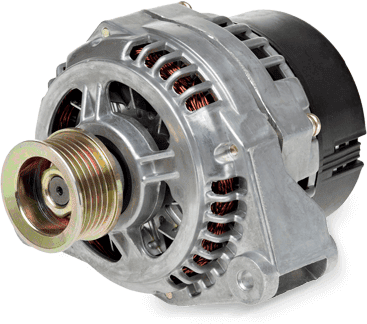
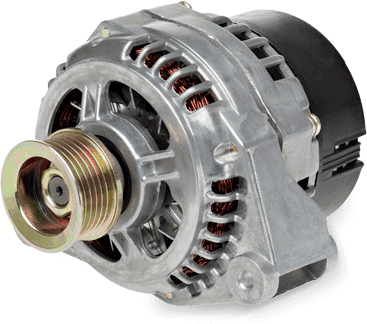
Without further information or inspection, it is difficult to determine if the motorcycle's alternator is broken. However, common signs of a broken alternator include dimming headlights, a dead battery, strange noises, or difficulty starting the motorcycle. It is best to have a professional mechanic inspect the motorcycle to accurately diagnose and repair any issues with the alternator. **
Is the alternator output sufficient?
To determine if the alternator output is sufficient, you will need to measure the voltage output of the alternator while the engine is running. A healthy alternator should produce around 13.8 to 14.2 volts. If the voltage output is within this range, then the alternator output is likely sufficient. However, if the voltage output is consistently below this range, then the alternator may not be providing enough power to the vehicle's electrical system and may need to be replaced or repaired. **
Top-Angebote
Products related to ERA-215371-Alternator-voltage:
-
ERA 209537A AlternatorVoltage [V]: 14; Alternator Charging Current [A]: 150; Plug Type ID: B+COM; Belt Pulley Ø [mm]: 55; Pulleys: with freewheel belt pulley; alternatively: ; Rotation Direction: Clockwise rotation; Number of mounting bores: 2; Number of grooves: 6; Alternative Repair Kit: 209537; Distance from belt pulley to alternator [mm]: 49673,99 £*Shipping: 1,99 £Secure redirect to the provider
-
Is the scooter's voltage regulator or the alternator defective?
It is difficult to determine whether the scooter's voltage regulator or the alternator is defective without further diagnostic testing. The voltage regulator controls the output of the alternator, so if the scooter is experiencing electrical issues, it could be due to a faulty voltage regulator not properly regulating the alternator's output. However, it is also possible that the alternator itself is not functioning correctly, leading to inconsistent power supply to the scooter's electrical system. A professional mechanic should be able to diagnose the issue by testing both components to determine which one is causing the problem. **
-
How can one utilize the voltage of the moped alternator?
One can utilize the voltage of the moped alternator by connecting it to a voltage regulator to ensure a stable output. This regulated voltage can then be used to charge the moped's battery, power the lights and other electrical components of the moped, or even power additional accessories like a phone charger or GPS unit. By harnessing the voltage of the alternator effectively, one can ensure a reliable and efficient electrical system for the moped. **
-
What causes voltage fluctuations in a rental apartment?
Voltage fluctuations in a rental apartment can be caused by a variety of factors, including the overall electrical system of the building, the quality of the wiring and electrical connections, and the usage of high-powered electrical appliances. Additionally, external factors such as power grid issues, lightning strikes, and fluctuations in the supply of electricity from the utility company can also contribute to voltage fluctuations. It is important for tenants to report any voltage fluctuations to their landlord or property manager so that the underlying cause can be identified and addressed promptly. **
-
Are these voltage values at the battery decisive for a defect in the alternator?
The voltage values at the battery can be indicative of a potential defect in the alternator. If the voltage is consistently low, it could indicate that the alternator is not effectively charging the battery. On the other hand, if the voltage is consistently high, it could indicate an overcharging issue. However, other factors such as the condition of the battery and the electrical system should also be considered before determining if the alternator is the source of the problem. It is best to have a professional mechanic diagnose the issue to accurately determine the cause of the voltage irregularities. **
Similar search terms for ERA-215371-Alternator-voltage
-
ERA 210048A AlternatorVoltage [V]: 14; Alternator Charging Current [A]: 55; Plug Type ID: B+D,IG,L; Belt Pulley Ø [mm]: 55; Pulleys: with V-ribbed belt pulley; Rotation Direction: Clockwise rotation; Number of mounting bores: 2; Number of grooves: 4; Distance from belt pulley to alternator [mm]: 44453,99 £*Shipping: 1,99 £Secure redirect to the provider
-
ERA 209543A AlternatorVoltage [V]: 14; Alternator Charging Current [A]: 150; Plug Type ID: B+COM; Belt Pulley Ø [mm]: 55; Pulleys: with freewheel belt pulley; alternatively: ; Rotation Direction: Clockwise rotation; Number of mounting bores: 2; Number of grooves: 6; Alternative Repair Kit: 209543; Distance from belt pulley to alternator [mm]: 46386,99 £*Shipping: 1,99 £Secure redirect to the provider
-
ERA 210850A AlternatorVoltage [V]: 14; Alternator Charging Current [A]: 140; Plug Type ID: B+COM; Belt Pulley Ø [mm]: 56; Pulleys: with freewheel belt pulley; alternatively: ; Rotation Direction: Clockwise rotation; Number of mounting bores: 4; Number of grooves: 6; Alternative Repair Kit: 210850; Distance from belt pulley to alternator [mm]: 38808,99 £*Shipping: 1,99 £Secure redirect to the provider
-
ERA 209156A AlternatorVoltage [V]: 14; Alternator Charging Current [A]: 120; Plug Type ID: B+LW; Belt Pulley Ø [mm]: 55; Pulleys: with V-ribbed belt pulley; alternatively: ; Rotation Direction: Clockwise rotation; Number of mounting bores: 2; Number of grooves: 6; Alternative Repair Kit: 209156; Distance from belt pulley to alternator [mm]: 55575,99 £*Shipping: 1,99 £Secure redirect to the provider
-
What about the alternator?
The alternator is a crucial component of a vehicle's charging system. It is responsible for converting mechanical energy from the engine into electrical energy to power the vehicle's electrical systems and recharge the battery. If the alternator fails, the battery will not be recharged and the vehicle's electrical systems will not function properly. It is important to have the alternator inspected and maintained regularly to ensure the proper functioning of the vehicle. **
-
Is my motorcycle's alternator defective?
To determine if your motorcycle's alternator is defective, you can perform a few tests. First, check the battery voltage with the engine off and then again with the engine running. If the voltage doesn't increase when the engine is running, it could indicate a problem with the alternator. You can also use a multimeter to test the output of the alternator to see if it is within the manufacturer's specifications. Additionally, if you notice dimming headlights or other electrical issues while riding, it could be a sign of a defective alternator. If any of these tests indicate a problem, it's best to have a professional mechanic inspect and diagnose the issue. **
-
Is the motorcycle's alternator broken?
Without further information or inspection, it is difficult to determine if the motorcycle's alternator is broken. However, common signs of a broken alternator include dimming headlights, a dead battery, strange noises, or difficulty starting the motorcycle. It is best to have a professional mechanic inspect the motorcycle to accurately diagnose and repair any issues with the alternator. **
-
Is the alternator output sufficient?
To determine if the alternator output is sufficient, you will need to measure the voltage output of the alternator while the engine is running. A healthy alternator should produce around 13.8 to 14.2 volts. If the voltage output is within this range, then the alternator output is likely sufficient. However, if the voltage output is consistently below this range, then the alternator may not be providing enough power to the vehicle's electrical system and may need to be replaced or repaired. **
* All prices are inclusive of VAT and, if applicable, plus shipping costs. The offer information is based on the details provided by the respective shop and is updated through automated processes. Real-time updates do not occur, so deviations can occur in individual cases. ** Note: Parts of this content were created by AI.