Buy locaflat.eu ?
We are moving the project
locaflat.eu .
Are you interested in purchasing the domain
locaflat.eu ?
domain@kv-gmbh.de · 0541-91531010
Buy locaflat.eu ?
How did the housing shortage end in industrialization?
The housing shortage in industrialization was addressed through various means. One approach was the construction of company towns by industrialists to provide housing for their workers. Additionally, government intervention in the form of housing regulations and public housing projects helped to alleviate the shortage. As industrialization progressed and urban areas expanded, more housing options became available, and the shortage gradually diminished. Overall, a combination of private and public efforts contributed to the resolution of the housing shortage during industrialization. **
What is industrialization?
Industrialization is the process of transforming an economy from primarily agricultural and manual labor-based to one based on manufacturing and industry. This typically involves the introduction of new technologies, machinery, and infrastructure to increase production and efficiency. Industrialization often leads to urbanization as people move from rural areas to cities in search of employment in factories and other industrial facilities. This process has historically been associated with significant economic and social changes, including the rise of a middle class and increased standard of living for many people. **

Similar search terms for Industrialization
Top-Angebote
Products related to Industrialization:
-
GDFStudio - Polyester 3-Piece Living Room Sofa Furniture Sets for ApartmentStatement Scale & Balanced Proportion: This three-piece living room set is designed to form an inviting yet composed seating group for everyday life — a three-seater sofa, a two-seater loveseat and a single accent chair that together offer abundant…940,09 $*Shipping: 0,00 $Secure redirect to the provider
-
Cute Accent Chair with Faux Leather Upholstery for Living Room, Bedroom, Apartment, Waiting Room and BalconyThis modern armless accent chair features soft faux leather upholstery and solid wood legs, combining luxurious comfort with lasting durability.309,99 $*Shipping: 0,00 $Secure redirect to the provider
-
/ Modern 2 in 1 Convertible Sleeper Sofa Bed with Pillows for Living Room ApartmentTransform your living space with this versatile 2-in-1 sofa bed that effortlessly converts from a comfortable loveseat into a spacious sleeping bed in seconds using convenient pull straps.515,99 $*Shipping: 0,00 $Secure redirect to the provider




-
How large was an apartment during the time of industrialization?
During the time of industrialization, the size of an apartment varied greatly depending on location, social class, and economic status. Working-class apartments were often small and cramped, with limited space for families. In contrast, wealthier individuals might have larger, more spacious apartments with multiple rooms. Overall, the size of an apartment during industrialization was generally smaller than what is considered standard in modern times. **
-
How did industrialization take place?
Industrialization took place through a combination of technological advancements, changes in economic systems, and shifts in social and cultural practices. The development of new machines and technologies, such as the steam engine and mechanized looms, allowed for increased production and efficiency in manufacturing. This led to the growth of factories and the mass production of goods. Additionally, changes in economic systems, such as the rise of capitalism and the expansion of markets, provided the necessary conditions for industrialization to take hold. Finally, social and cultural shifts, including urbanization and changes in labor practices, also played a role in the process of industrialization. **
-
How did socialism impact industrialization?
Socialism had a significant impact on industrialization by promoting state ownership and control of industries. This led to the nationalization of key industries, such as mining, manufacturing, and transportation, as well as the implementation of central economic planning. Socialist policies also focused on improving working conditions, increasing wages, and providing social welfare programs for workers, which contributed to the growth of the industrial workforce. However, the emphasis on state control and central planning also led to inefficiencies and lack of innovation in some socialist economies. **
-
Is there a second industrialization?
Yes, there is a second industrialization, also known as the Fourth Industrial Revolution. This new wave of industrialization is characterized by the integration of digital technologies, artificial intelligence, and automation into the manufacturing and production processes. It is transforming the way goods are produced and services are delivered, leading to increased efficiency, productivity, and innovation. The second industrialization is also impacting various industries such as healthcare, transportation, and energy, and is expected to have a significant impact on the global economy. **


Is industrialization still present today?
Yes, industrialization is still very much present today. Many countries around the world continue to undergo industrialization, with the development of new technologies and the expansion of manufacturing and production processes. This has led to the growth of industrial sectors in various economies, contributing to economic development and the creation of jobs. However, there is also a growing emphasis on sustainable and environmentally friendly industrial practices to mitigate the negative impact of industrialization on the environment. **
How does industrialization influence nutrition?
Industrialization has greatly influenced nutrition by changing the way food is produced, processed, and distributed. It has led to the mass production of processed and convenience foods, which are often high in unhealthy fats, sugars, and additives. This has contributed to the rise of diet-related diseases such as obesity and diabetes. Additionally, industrialization has also led to the depletion of nutrients in the soil, affecting the nutritional quality of the food we consume. Overall, industrialization has had a significant impact on the availability and quality of food, leading to both positive and negative effects on nutrition. **
Top-Angebote
Products related to Industrialization:
-
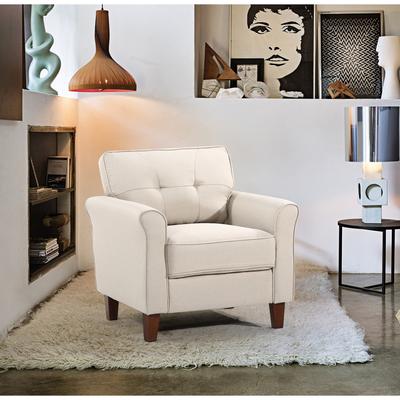
Mid-Century Accent Chair, Arm Chair For Living Room, Apartment, Guest Room & Home OfficeCompact and stylish single-seat chair, ideal for small spaces and cozy corners. Features a tufted back design that adds a touch of classic charm to any room. Provides comfortable seating for reading, relaxing, or entertaining guests.232,49 $*Shipping: 0,00 $Secure redirect to the provider
-
Modern Couch Fabric Comfy Sofa bed for Apartment, Living Room, StudioProduct Features Multifunctional sofa bed:Suitable for Any Scene,No Longer Worry about Unexpected Guests. User-friendly Design: easy to store the chair and save space for unused time.289,99 $*Shipping: 0,00 $Secure redirect to the provider
-
GDFStudio - Polyester 3-Piece Living Room Sofa Furniture Sets for ApartmentStatement Scale & Balanced Proportion: This three-piece living room set is designed to form an inviting yet composed seating group for everyday life — a three-seater sofa, a two-seater loveseat and a single accent chair that together offer abundant…940,09 $*Shipping: 0,00 $Secure redirect to the provider
-
Cute Accent Chair with Faux Leather Upholstery for Living Room, Bedroom, Apartment, Waiting Room and BalconyThis modern armless accent chair features soft faux leather upholstery and solid wood legs, combining luxurious comfort with lasting durability.309,99 $*Shipping: 0,00 $Secure redirect to the provider
-
How did the housing shortage end in industrialization?
The housing shortage in industrialization was addressed through various means. One approach was the construction of company towns by industrialists to provide housing for their workers. Additionally, government intervention in the form of housing regulations and public housing projects helped to alleviate the shortage. As industrialization progressed and urban areas expanded, more housing options became available, and the shortage gradually diminished. Overall, a combination of private and public efforts contributed to the resolution of the housing shortage during industrialization. **
-
What is industrialization?
Industrialization is the process of transforming an economy from primarily agricultural and manual labor-based to one based on manufacturing and industry. This typically involves the introduction of new technologies, machinery, and infrastructure to increase production and efficiency. Industrialization often leads to urbanization as people move from rural areas to cities in search of employment in factories and other industrial facilities. This process has historically been associated with significant economic and social changes, including the rise of a middle class and increased standard of living for many people. **
-
How large was an apartment during the time of industrialization?
During the time of industrialization, the size of an apartment varied greatly depending on location, social class, and economic status. Working-class apartments were often small and cramped, with limited space for families. In contrast, wealthier individuals might have larger, more spacious apartments with multiple rooms. Overall, the size of an apartment during industrialization was generally smaller than what is considered standard in modern times. **
-
How did industrialization take place?
Industrialization took place through a combination of technological advancements, changes in economic systems, and shifts in social and cultural practices. The development of new machines and technologies, such as the steam engine and mechanized looms, allowed for increased production and efficiency in manufacturing. This led to the growth of factories and the mass production of goods. Additionally, changes in economic systems, such as the rise of capitalism and the expansion of markets, provided the necessary conditions for industrialization to take hold. Finally, social and cultural shifts, including urbanization and changes in labor practices, also played a role in the process of industrialization. **
Similar search terms for Industrialization
-
/ Modern 2 in 1 Convertible Sleeper Sofa Bed with Pillows for Living Room ApartmentTransform your living space with this versatile 2-in-1 sofa bed that effortlessly converts from a comfortable loveseat into a spacious sleeping bed in seconds using convenient pull straps.515,99 $*Shipping: 0,00 $Secure redirect to the provider
-
GDFStudio - Polyester 3-Piece Living Room Sofa Furniture Sets for ApartmentStatement Scale & Balanced Proportion: This three-piece living room set is designed to form an inviting yet composed seating group for everyday life — a three-seater sofa, a two-seater loveseat and a single accent chair that together offer abundant…940,09 $*Shipping: 0,00 $Secure redirect to the provider
-
How did socialism impact industrialization?
Socialism had a significant impact on industrialization by promoting state ownership and control of industries. This led to the nationalization of key industries, such as mining, manufacturing, and transportation, as well as the implementation of central economic planning. Socialist policies also focused on improving working conditions, increasing wages, and providing social welfare programs for workers, which contributed to the growth of the industrial workforce. However, the emphasis on state control and central planning also led to inefficiencies and lack of innovation in some socialist economies. **
-
Is there a second industrialization?
Yes, there is a second industrialization, also known as the Fourth Industrial Revolution. This new wave of industrialization is characterized by the integration of digital technologies, artificial intelligence, and automation into the manufacturing and production processes. It is transforming the way goods are produced and services are delivered, leading to increased efficiency, productivity, and innovation. The second industrialization is also impacting various industries such as healthcare, transportation, and energy, and is expected to have a significant impact on the global economy. **
-
Is industrialization still present today?
Yes, industrialization is still very much present today. Many countries around the world continue to undergo industrialization, with the development of new technologies and the expansion of manufacturing and production processes. This has led to the growth of industrial sectors in various economies, contributing to economic development and the creation of jobs. However, there is also a growing emphasis on sustainable and environmentally friendly industrial practices to mitigate the negative impact of industrialization on the environment. **
-
How does industrialization influence nutrition?
Industrialization has greatly influenced nutrition by changing the way food is produced, processed, and distributed. It has led to the mass production of processed and convenience foods, which are often high in unhealthy fats, sugars, and additives. This has contributed to the rise of diet-related diseases such as obesity and diabetes. Additionally, industrialization has also led to the depletion of nutrients in the soil, affecting the nutritional quality of the food we consume. Overall, industrialization has had a significant impact on the availability and quality of food, leading to both positive and negative effects on nutrition. **
* All prices are inclusive of VAT and, if applicable, plus shipping costs. The offer information is based on the details provided by the respective shop and is updated through automated processes. Real-time updates do not occur, so deviations can occur in individual cases. ** Note: Parts of this content were created by AI.