Buy locaflat.eu ?
We are moving the project
locaflat.eu .
Are you interested in purchasing the domain
locaflat.eu ?
domain@kv-gmbh.de · 0541-91531010
Buy locaflat.eu ?
How is avoir formed?
The verb "avoir" is formed in the present tense by conjugating the verb as follows: j'ai (I have), tu as (you have), il/elle/on a (he/she/it has), nous avons (we have), vous avez (you have), ils/elles ont (they have). In the past tense, "avoir" is formed by using the auxiliary verb "avoir" followed by the past participle of the main verb. For example, "j'ai eu" (I had), "tu as eu" (you had), "il/elle/on a eu" (he/she/it had), "nous avons eu" (we had), "vous avez eu" (you had), "ils/elles ont eu" (they had). **
When do you conjugate "avoir"?
The verb "avoir" is conjugated when talking about possession or to form compound tenses such as the passé composé. In these cases, "avoir" is conjugated according to the subject of the sentence. For example, "J'ai un chat" (I have a cat) or "Nous avons mangé" (We have eaten). **
Similar search terms for Avoir
Top-Angebote
Products related to Avoir:
-
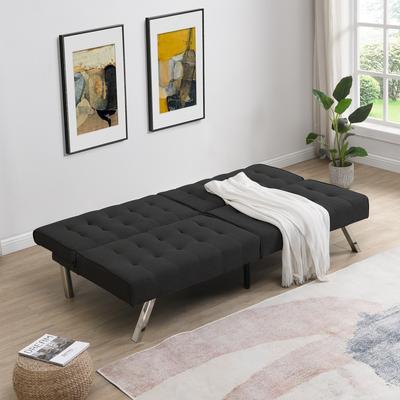
Modern Couch Fabric Comfy Sofa bed for Apartment, Living Room, StudioProduct Features Multifunctional sofa bed:Suitable for Any Scene,No Longer Worry about Unexpected Guests. User-friendly Design: easy to store the chair and save space for unused time.289,99 $*Shipping: 0,00 $Secure redirect to the provider
-
Cute Accent Chair with Faux Leather Upholstery for Living Room, Bedroom, Apartment, Waiting Room and BalconyThis modern armless accent chair features soft faux leather upholstery and solid wood legs, combining luxurious comfort with lasting durability.309,99 $*Shipping: 0,00 $Secure redirect to the provider
-
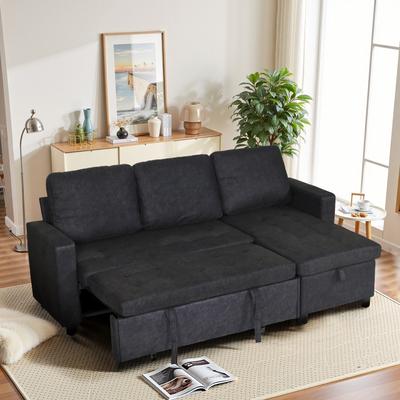
/ Modern 2 in 1 Convertible Sleeper Sofa Bed with Pillows for Living Room ApartmentTransform your living space with this versatile 2-in-1 sofa bed that effortlessly converts from a comfortable loveseat into a spacious sleeping bed in seconds using convenient pull straps.515,99 $*Shipping: 0,00 $Secure redirect to the provider


-
What are the forms of avoir?
The forms of the verb "avoir" in French are: j'ai (I have), tu as (you have), il/elle/on a (he/she/it has), nous avons (we have), vous avez (you have), ils/elles ont (they have). These forms are used to express possession or to form compound tenses such as the passé composé. "Avoir" is an irregular verb in French and is one of the most commonly used verbs in the language. **
-
Does "Passer" use "avoir" or "être"?
"Passer" uses the auxiliary verb "avoir" in compound tenses. For example, in the passé composé, you would say "j'ai passé" (I have passed) using the verb "avoir" as the auxiliary. **
-
Can you help me conjugate avoir?
Sure! The verb "avoir" is conjugated as follows: - J'ai (I have) - Tu as (You have) - Il/Elle/On a (He/She/One has) - Nous avons (We have) - Vous avez (You have) - Ils/Elles ont (They have) **
-
When do you equate the PC with avoir?
I equate the PC with avoir when the verb in the passé composé is formed using the auxiliary verb "avoir" and the past participle of the main verb. This occurs when the action expressed by the main verb is performed by the subject of the sentence and does not involve a state of being or motion. For example, "J'ai mangé" (I ate) or "Elle a parlé" (She spoke) both use the auxiliary verb "avoir" to form the passé composé. **


When are the following verbs used with "avoir"?
The following verbs are used with "avoir" when they are in the past tense. This includes actions that have been completed in the past, such as "j'ai mangé" (I ate), "tu as parlé" (you spoke), and "il a joué" (he played). These verbs indicate actions that have already happened and are no longer ongoing. **
What does 'avoir besoin de 2' mean in French?
In French, 'avoir besoin de 2' means 'to need 2'. It is a phrase used to express the need for two of something. The verb 'avoir besoin de' means 'to need' and the number '2' specifies the quantity needed. **
Top-Angebote
Products related to Avoir:
-
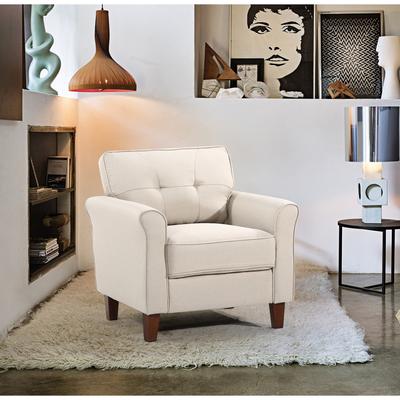
Mid-Century Accent Chair, Arm Chair For Living Room, Apartment, Guest Room & Home OfficeCompact and stylish single-seat chair, ideal for small spaces and cozy corners. Features a tufted back design that adds a touch of classic charm to any room. Provides comfortable seating for reading, relaxing, or entertaining guests.232,49 $*Shipping: 0,00 $Secure redirect to the provider
-
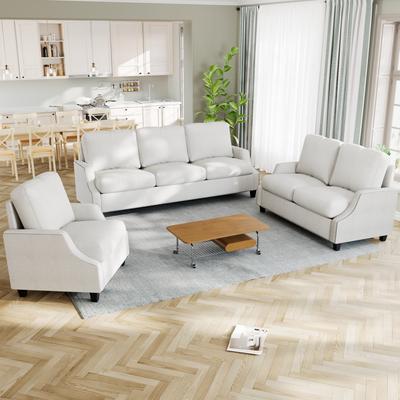
GDFStudio - Polyester 3-Piece Living Room Sofa Furniture Sets for ApartmentStatement Scale & Balanced Proportion: This three-piece living room set is designed to form an inviting yet composed seating group for everyday life — a three-seater sofa, a two-seater loveseat and a single accent chair that together offer abundant…940,09 $*Shipping: 0,00 $Secure redirect to the provider
-
Modern Couch Fabric Comfy Sofa bed for Apartment, Living Room, StudioProduct Features Multifunctional sofa bed:Suitable for Any Scene,No Longer Worry about Unexpected Guests. User-friendly Design: easy to store the chair and save space for unused time.289,99 $*Shipping: 0,00 $Secure redirect to the provider
-
Cute Accent Chair with Faux Leather Upholstery for Living Room, Bedroom, Apartment, Waiting Room and BalconyThis modern armless accent chair features soft faux leather upholstery and solid wood legs, combining luxurious comfort with lasting durability.309,99 $*Shipping: 0,00 $Secure redirect to the provider
-
How is avoir formed?
The verb "avoir" is formed in the present tense by conjugating the verb as follows: j'ai (I have), tu as (you have), il/elle/on a (he/she/it has), nous avons (we have), vous avez (you have), ils/elles ont (they have). In the past tense, "avoir" is formed by using the auxiliary verb "avoir" followed by the past participle of the main verb. For example, "j'ai eu" (I had), "tu as eu" (you had), "il/elle/on a eu" (he/she/it had), "nous avons eu" (we had), "vous avez eu" (you had), "ils/elles ont eu" (they had). **
-
When do you conjugate "avoir"?
The verb "avoir" is conjugated when talking about possession or to form compound tenses such as the passé composé. In these cases, "avoir" is conjugated according to the subject of the sentence. For example, "J'ai un chat" (I have a cat) or "Nous avons mangé" (We have eaten). **
-
What are the forms of avoir?
The forms of the verb "avoir" in French are: j'ai (I have), tu as (you have), il/elle/on a (he/she/it has), nous avons (we have), vous avez (you have), ils/elles ont (they have). These forms are used to express possession or to form compound tenses such as the passé composé. "Avoir" is an irregular verb in French and is one of the most commonly used verbs in the language. **
-
Does "Passer" use "avoir" or "être"?
"Passer" uses the auxiliary verb "avoir" in compound tenses. For example, in the passé composé, you would say "j'ai passé" (I have passed) using the verb "avoir" as the auxiliary. **
Similar search terms for Avoir
-
/ Modern 2 in 1 Convertible Sleeper Sofa Bed with Pillows for Living Room ApartmentTransform your living space with this versatile 2-in-1 sofa bed that effortlessly converts from a comfortable loveseat into a spacious sleeping bed in seconds using convenient pull straps.515,99 $*Shipping: 0,00 $Secure redirect to the provider
-
GDFStudio - Polyester 3-Piece Living Room Sofa Furniture Sets for ApartmentStatement Scale & Balanced Proportion: This three-piece living room set is designed to form an inviting yet composed seating group for everyday life — a three-seater sofa, a two-seater loveseat and a single accent chair that together offer abundant…940,09 $*Shipping: 0,00 $Secure redirect to the provider
-
Can you help me conjugate avoir?
Sure! The verb "avoir" is conjugated as follows: - J'ai (I have) - Tu as (You have) - Il/Elle/On a (He/She/One has) - Nous avons (We have) - Vous avez (You have) - Ils/Elles ont (They have) **
-
When do you equate the PC with avoir?
I equate the PC with avoir when the verb in the passé composé is formed using the auxiliary verb "avoir" and the past participle of the main verb. This occurs when the action expressed by the main verb is performed by the subject of the sentence and does not involve a state of being or motion. For example, "J'ai mangé" (I ate) or "Elle a parlé" (She spoke) both use the auxiliary verb "avoir" to form the passé composé. **
-
When are the following verbs used with "avoir"?
The following verbs are used with "avoir" when they are in the past tense. This includes actions that have been completed in the past, such as "j'ai mangé" (I ate), "tu as parlé" (you spoke), and "il a joué" (he played). These verbs indicate actions that have already happened and are no longer ongoing. **
-
What does 'avoir besoin de 2' mean in French?
In French, 'avoir besoin de 2' means 'to need 2'. It is a phrase used to express the need for two of something. The verb 'avoir besoin de' means 'to need' and the number '2' specifies the quantity needed. **
* All prices are inclusive of VAT and, if applicable, plus shipping costs. The offer information is based on the details provided by the respective shop and is updated through automated processes. Real-time updates do not occur, so deviations can occur in individual cases. ** Note: Parts of this content were created by AI.