Buy locaflat.eu ?
We are moving the project
locaflat.eu .
Are you interested in purchasing the domain
locaflat.eu ?
domain@kv-gmbh.de · 0541-91531010
Buy locaflat.eu ?
How are intermenstrual bleeding similar to menstrual bleeding?
Intermenstrual bleeding and menstrual bleeding are similar in that they both involve the shedding of the uterine lining. Both types of bleeding can occur as a result of hormonal changes in the body. Additionally, both intermenstrual and menstrual bleeding can be accompanied by similar symptoms such as cramping and bloating. However, intermenstrual bleeding occurs between regular menstrual periods, while menstrual bleeding occurs as part of the regular menstrual cycle. **
Help, brown bleeding?
Brown bleeding can be a sign of old blood that has taken longer to leave the body. It can occur at the beginning or end of a period and is usually not a cause for concern. However, if the brown bleeding is accompanied by other symptoms such as severe pain, unusual odor, or lasts for an extended period of time, it is important to consult a healthcare professional to rule out any underlying issues. **

Similar search terms for Bleeding
Top-Angebote
Products related to Bleeding:



-
What is the difference between menstrual bleeding and ovulation bleeding?
Menstrual bleeding occurs at the end of the menstrual cycle and is the shedding of the uterine lining when a fertilized egg has not implanted. It typically lasts for 3-7 days. Ovulation bleeding, on the other hand, occurs during the middle of the menstrual cycle when an egg is released from the ovary. This bleeding is usually light and lasts for a shorter duration, often just a day or two. Ovulation bleeding is thought to be caused by the sudden drop in estrogen levels that occurs during ovulation. **
-
What is an intermenstrual bleeding one week before the withdrawal bleeding?
Intermenstrual bleeding, also known as spotting, is bleeding that occurs between periods. If it occurs one week before the expected withdrawal bleeding, it could be a sign of hormonal fluctuations or irregularities. This could be due to factors such as stress, changes in birth control, or underlying medical conditions. It's important to track these changes and consult with a healthcare provider to rule out any potential concerns and ensure overall reproductive health. **
-
Is it implantation bleeding or breakthrough bleeding while taking the pill?
Implantation bleeding occurs when a fertilized egg implants itself into the uterine lining, typically around 6-12 days after ovulation. It is usually lighter and shorter in duration than a regular period. Breakthrough bleeding, on the other hand, can occur while taking hormonal birth control pills and is often due to fluctuations in hormone levels. It can happen at any point during the menstrual cycle and is not a sign of pregnancy. If someone is experiencing bleeding and is unsure of the cause, it is best to consult with a healthcare provider for further evaluation. **
-
Can ovulation trigger bleeding?
Yes, ovulation can sometimes trigger bleeding, known as ovulation bleeding or mid-cycle spotting. This can occur due to the release of the egg from the ovary causing a small amount of blood to be released as well. Ovulation bleeding is typically light and may appear as spotting or a slight pink or brown discharge. It is usually not a cause for concern and is considered a normal part of the menstrual cycle for some women. **


Is my rabbit bleeding?
If you notice any signs of bleeding in your rabbit, such as blood on their fur, around their nose or mouth, or in their urine or feces, it is important to seek immediate veterinary attention. Bleeding in rabbits can be a serious issue and may be caused by various health problems such as injuries, infections, or underlying medical conditions. It is best to have a veterinarian examine your rabbit to determine the cause of the bleeding and provide appropriate treatment. **
What happens during bleeding?
During bleeding, blood vessels are damaged, causing blood to escape from the circulatory system. The body responds by initiating the process of hemostasis, which involves vasoconstriction, platelet aggregation, and blood clot formation to stop the bleeding. If the bleeding is severe, the body may also release clotting factors and fibrin to strengthen the clot and prevent further blood loss. Ultimately, the body works to repair the damaged blood vessels and restore normal blood flow. **
Top-Angebote
Products related to Bleeding:
-
How are intermenstrual bleeding similar to menstrual bleeding?
Intermenstrual bleeding and menstrual bleeding are similar in that they both involve the shedding of the uterine lining. Both types of bleeding can occur as a result of hormonal changes in the body. Additionally, both intermenstrual and menstrual bleeding can be accompanied by similar symptoms such as cramping and bloating. However, intermenstrual bleeding occurs between regular menstrual periods, while menstrual bleeding occurs as part of the regular menstrual cycle. **
-
Help, brown bleeding?
Brown bleeding can be a sign of old blood that has taken longer to leave the body. It can occur at the beginning or end of a period and is usually not a cause for concern. However, if the brown bleeding is accompanied by other symptoms such as severe pain, unusual odor, or lasts for an extended period of time, it is important to consult a healthcare professional to rule out any underlying issues. **
-
What is the difference between menstrual bleeding and ovulation bleeding?
Menstrual bleeding occurs at the end of the menstrual cycle and is the shedding of the uterine lining when a fertilized egg has not implanted. It typically lasts for 3-7 days. Ovulation bleeding, on the other hand, occurs during the middle of the menstrual cycle when an egg is released from the ovary. This bleeding is usually light and lasts for a shorter duration, often just a day or two. Ovulation bleeding is thought to be caused by the sudden drop in estrogen levels that occurs during ovulation. **
-
What is an intermenstrual bleeding one week before the withdrawal bleeding?
Intermenstrual bleeding, also known as spotting, is bleeding that occurs between periods. If it occurs one week before the expected withdrawal bleeding, it could be a sign of hormonal fluctuations or irregularities. This could be due to factors such as stress, changes in birth control, or underlying medical conditions. It's important to track these changes and consult with a healthcare provider to rule out any potential concerns and ensure overall reproductive health. **
Similar search terms for Bleeding
-
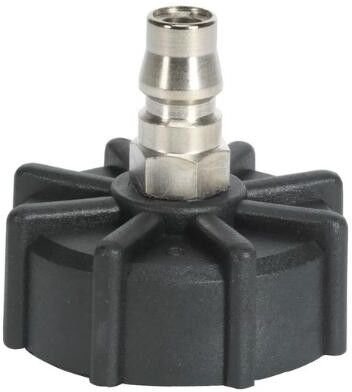
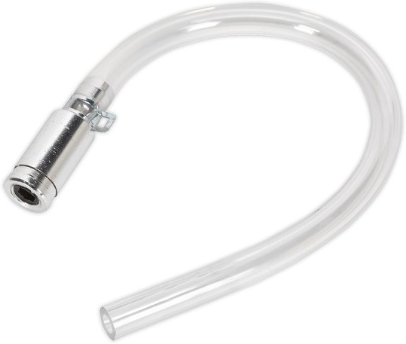
Market Central One Way Brake Bleeder Hose Hydraulic Clutch Bleeding Tool One Way Brake Bleeder Hose Hydraulic Clutch Bleeding ToolTake the hassle out of brake and clutch maintenance with a tool designed for a smoother solo job. This brake bleeder hose uses a builtin one way valve to let air and old fluid escape while helping prevent air from being drawn back into the hydraulic...31,97 $*Shipping: 0,00 $Secure redirect to the provider
-
Tools, Home & Hobby Brake Bleeder Kit Pneumatic Pressure Brake Fluid Bleeding Tool Brake Bleeder Kit Pneumatic Pressure Brake Fluid Bleeding ToolMake brake maintenance faster, cleaner, and more reliable with this pneumatic brake bleeder built for garages, workshops, and handson vehicle owners. It uses compressed air to help flush and refill brake systems with steady pressure and less manual...179,97 $*Shipping: 0,00 $Secure redirect to the provider
-
Is it implantation bleeding or breakthrough bleeding while taking the pill?
Implantation bleeding occurs when a fertilized egg implants itself into the uterine lining, typically around 6-12 days after ovulation. It is usually lighter and shorter in duration than a regular period. Breakthrough bleeding, on the other hand, can occur while taking hormonal birth control pills and is often due to fluctuations in hormone levels. It can happen at any point during the menstrual cycle and is not a sign of pregnancy. If someone is experiencing bleeding and is unsure of the cause, it is best to consult with a healthcare provider for further evaluation. **
-
Can ovulation trigger bleeding?
Yes, ovulation can sometimes trigger bleeding, known as ovulation bleeding or mid-cycle spotting. This can occur due to the release of the egg from the ovary causing a small amount of blood to be released as well. Ovulation bleeding is typically light and may appear as spotting or a slight pink or brown discharge. It is usually not a cause for concern and is considered a normal part of the menstrual cycle for some women. **
-
Is my rabbit bleeding?
If you notice any signs of bleeding in your rabbit, such as blood on their fur, around their nose or mouth, or in their urine or feces, it is important to seek immediate veterinary attention. Bleeding in rabbits can be a serious issue and may be caused by various health problems such as injuries, infections, or underlying medical conditions. It is best to have a veterinarian examine your rabbit to determine the cause of the bleeding and provide appropriate treatment. **
-
What happens during bleeding?
During bleeding, blood vessels are damaged, causing blood to escape from the circulatory system. The body responds by initiating the process of hemostasis, which involves vasoconstriction, platelet aggregation, and blood clot formation to stop the bleeding. If the bleeding is severe, the body may also release clotting factors and fibrin to strengthen the clot and prevent further blood loss. Ultimately, the body works to repair the damaged blood vessels and restore normal blood flow. **
* All prices are inclusive of VAT and, if applicable, plus shipping costs. The offer information is based on the details provided by the respective shop and is updated through automated processes. Real-time updates do not occur, so deviations can occur in individual cases. ** Note: Parts of this content were created by AI.