Buy locaflat.eu ?
We are moving the project
locaflat.eu .
Are you interested in purchasing the domain
locaflat.eu ?
domain@kv-gmbh.de · 0541-91531010
Buy locaflat.eu ?
What does "starting play" mean in the front left and right inner tie rods?
"Starting play" in the front left and right inner tie rods refers to the initial movement or looseness that can be felt when the steering wheel is turned. This play is typically caused by wear and tear in the tie rod ends or the steering system components. It is important to address this play as it can lead to poor steering response, uneven tire wear, and potential safety issues while driving. Regular inspection and maintenance of the tie rods can help prevent excessive play and ensure proper steering functionality. **
What is tie-stall housing for dairy cows?
Tie-stall housing for dairy cows is a type of barn or stable where cows are individually tied or restrained in stalls for feeding, resting, and milking. Each cow has its own designated stall, which allows for individualized care and monitoring. This type of housing system is common in smaller dairy operations and provides a more controlled environment for managing the cows' nutrition, health, and milking routine. However, there are concerns about animal welfare and the restriction of movement in tie-stall housing, leading to a shift towards more open and free-stall housing systems in modern dairy farming. **
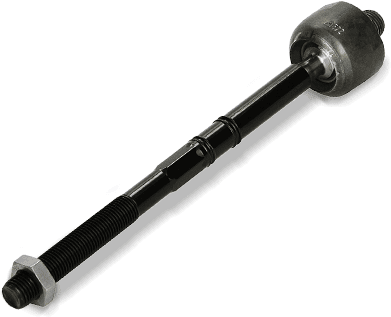

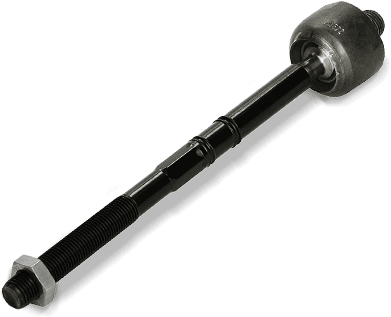
Similar search terms for FEBEST-0522-NC-Inner-tie
Top-Angebote
Products related to FEBEST-0522-NC-Inner-tie:
-
FEBEST 3222-ESCIII Inner tie rodFitting Position: Front Axle; Thread Size 2: M18x1,5; Packaging length [cm]: 31,3; Packaging width [cm]: 5,0; Packaging height [cm]: 5,0; Left-/right-hand drive vehicles: for left-hand/right-hand drive vehicles; Model Year from: 2011, 2001, 2007, 2014, 2000, 2006, 1999, 2002, 2005, 2008, 2010, 2017, 2003; for model code: CK2(06), CK2,3, 3, CK2, C155(43), C1(53), CK157(43), K157(43), K1, K155(43), K359(06), C1(06); Model Year to: 2010, 2013, 2000, 2001, 2007, 2002, 2005, 2019, 2014; for model year: 2005, 2008, 2007, 201424,49 £*Shipping: 8,45 £Secure redirect to the provider
-
FEBEST 0222-F24M18 Inner tie rodFitting Position: Front Axle; Quantity: 1; Packaging length [cm]: 24,4; Packaging width [cm]: 4,8; Packaging height [cm]: 4,8; Left-/right-hand drive vehicles: for left-hand/right-hand drive vehicles; for model code: F24M, F24W; Construction Year to: 12/201014,99 £*Shipping: 8,45 £Secure redirect to the provider
-
FEBEST 2122-FOCIII Inner tie rodFitting Position: Front Axle; Quantity: 1; Packaging length [cm]: 31,4; Packaging width [cm]: 3,7; Packaging height [cm]: 3,7; Left-/right-hand drive vehicles: for left-hand/right-hand drive vehicles; Production date from: 201109, 201410; for model code: CB8, CEW; Vehicle Equipment: for vehicles with hydraulic power steering10,99 £*Shipping: 8,45 £Secure redirect to the provider


-
What does "starting play" mean for the inner tie rods on the front left and right?
"Starting play" refers to the initial movement or free play in the inner tie rods on the front left and right of a vehicle. This means there is a small amount of movement or slack in the inner tie rods before they engage and start to turn the wheels. It is important to check and adjust this play to ensure proper steering responsiveness and alignment of the front wheels. If there is excessive play, it can lead to steering issues and uneven tire wear. **
-
Can you tie a tie?
As an AI, I don't have physical capabilities, so I can't tie a tie. However, I can provide step-by-step instructions on how to tie a tie and offer tips for achieving the perfect knot. If you need help with tying a tie, I'd be happy to guide you through the process! **
-
What does "beginning of play" mean for the inner tie rods on the front left and right?
The "beginning of play" for the inner tie rods on the front left and right refers to the initial movement or slack that can be felt when turning the steering wheel before the tie rods start to engage and turn the wheels. This play is typically caused by wear and tear on the tie rod ends or the steering rack components. It is important to address this play as excessive movement can lead to imprecise steering, uneven tire wear, and potential safety issues. Regular inspection and maintenance of the inner tie rods can help ensure optimal steering performance and safety on the road. **
-
Who also can't tie a tie?
People who have never learned how to tie a tie, or individuals who have physical limitations that prevent them from performing the task, such as those with certain disabilities or injuries, may also struggle with tying a tie. Additionally, some individuals may simply prefer not to wear ties and therefore have never learned how to tie one. **

Who also cannot tie a tie?
Many people, regardless of gender, may struggle with tying a tie. This could include individuals who have never had to wear a tie before, those who have physical limitations that make tying a tie difficult, or simply those who have never been taught how to do it. It's a skill that requires practice and patience, and not being able to tie a tie is a common experience for many people. **
How do you tie a tie knot?
To tie a tie knot, start by draping the tie around your neck with the wide end hanging about 12 inches lower than the narrow end. Cross the wide end over the narrow end, then bring it under and up through the loop around your neck. Next, pull the wide end down through the front loop and cross it over the narrow end again. Finally, bring the wide end up through the loop around your neck and pull it down through the knot at the front. Adjust the knot and the length of the tie as needed. **
Top-Angebote
Products related to FEBEST-0522-NC-Inner-tie:
-
FEBEST 0422-CS Inner tie rodFitting Position: Front Axle; Packaging length [cm]: 34,0; Packaging width [cm]: 4,0; Packaging height [cm]: 4,0; Left-/right-hand drive vehicles: for left-hand drive vehicles; Left-/right-hand drive vehicles: for left-hand drive vehicles; Transmission Type: Manual Transmission, Automatic Transmission, CVT automatic transmission (stepless); Production date from: 199406, 200401, 199605, 199511, 200009, 199205, 199210, 199508, 199702, 199112, 200109, 199912, 199905; Production date to: 199506, 199711, 199605, 199905, 199906, 200008, 199311, 200009, 199907, 200005, 200306, 201103, 200806, 200708, 200706, 200212, 200003, 199209, 199508, 199612, 200205, 200906, 200302, 200908, 200705, 200208, 200002; for model code: CJ2A, CK2A, CB2W, CS1A, CS3W, CJ5A, CK5AR, CK6A, CB5A, CB5AR, CS6A, CS9A, CK8A, CK8AR, CA2A, CA3A, CS7A, CS7W, CJ4A, CK4A, CJ1A, CS3A, CS9W, CA4A, SNHML6, SNHMR6, SRHML6, CS5AR, CS5AZ, CS5A; Transmission Code: AT; Specification: LNHML6, LNHMR618,49 £*Shipping: 8,45 £Secure redirect to the provider
-
FEBEST 3222-ESCIII Inner tie rodFitting Position: Front Axle; Thread Size 2: M18x1,5; Packaging length [cm]: 31,3; Packaging width [cm]: 5,0; Packaging height [cm]: 5,0; Left-/right-hand drive vehicles: for left-hand/right-hand drive vehicles; Model Year from: 2011, 2001, 2007, 2014, 2000, 2006, 1999, 2002, 2005, 2008, 2010, 2017, 2003; for model code: CK2(06), CK2,3, 3, CK2, C155(43), C1(53), CK157(43), K157(43), K1, K155(43), K359(06), C1(06); Model Year to: 2010, 2013, 2000, 2001, 2007, 2002, 2005, 2019, 2014; for model year: 2005, 2008, 2007, 201424,49 £*Shipping: 8,45 £Secure redirect to the provider
-
What does "starting play" mean in the front left and right inner tie rods?
"Starting play" in the front left and right inner tie rods refers to the initial movement or looseness that can be felt when the steering wheel is turned. This play is typically caused by wear and tear in the tie rod ends or the steering system components. It is important to address this play as it can lead to poor steering response, uneven tire wear, and potential safety issues while driving. Regular inspection and maintenance of the tie rods can help prevent excessive play and ensure proper steering functionality. **
-
What is tie-stall housing for dairy cows?
Tie-stall housing for dairy cows is a type of barn or stable where cows are individually tied or restrained in stalls for feeding, resting, and milking. Each cow has its own designated stall, which allows for individualized care and monitoring. This type of housing system is common in smaller dairy operations and provides a more controlled environment for managing the cows' nutrition, health, and milking routine. However, there are concerns about animal welfare and the restriction of movement in tie-stall housing, leading to a shift towards more open and free-stall housing systems in modern dairy farming. **
-
What does "starting play" mean for the inner tie rods on the front left and right?
"Starting play" refers to the initial movement or free play in the inner tie rods on the front left and right of a vehicle. This means there is a small amount of movement or slack in the inner tie rods before they engage and start to turn the wheels. It is important to check and adjust this play to ensure proper steering responsiveness and alignment of the front wheels. If there is excessive play, it can lead to steering issues and uneven tire wear. **
-
Can you tie a tie?
As an AI, I don't have physical capabilities, so I can't tie a tie. However, I can provide step-by-step instructions on how to tie a tie and offer tips for achieving the perfect knot. If you need help with tying a tie, I'd be happy to guide you through the process! **
Similar search terms for FEBEST-0522-NC-Inner-tie
-
FEBEST 0222-F24M18 Inner tie rodFitting Position: Front Axle; Quantity: 1; Packaging length [cm]: 24,4; Packaging width [cm]: 4,8; Packaging height [cm]: 4,8; Left-/right-hand drive vehicles: for left-hand/right-hand drive vehicles; for model code: F24M, F24W; Construction Year to: 12/201014,99 £*Shipping: 8,45 £Secure redirect to the provider
-
FEBEST 2122-FOCIII Inner tie rodFitting Position: Front Axle; Quantity: 1; Packaging length [cm]: 31,4; Packaging width [cm]: 3,7; Packaging height [cm]: 3,7; Left-/right-hand drive vehicles: for left-hand/right-hand drive vehicles; Production date from: 201109, 201410; for model code: CB8, CEW; Vehicle Equipment: for vehicles with hydraulic power steering10,99 £*Shipping: 8,45 £Secure redirect to the provider
-
FEBEST 5022-IBZ Inner tie rodFitting Position: Front Axle; Weight [kg]: 4,301; Packaging length [cm]: 34,1; Packaging width [cm]: 3,6; Packaging height [cm]: 3,6; Left-/right-hand drive vehicles: for left-hand drive vehicles; Left-/right-hand drive vehicles: for left-hand drive vehicles; Model Year to: 1996, 1999, 2003, 2002, 2000; Model Year from: 1999, 1997, 2000, 1996, 2006; for model year: 199614,99 £*Shipping: 8,45 £Secure redirect to the provider
-
What does "beginning of play" mean for the inner tie rods on the front left and right?
The "beginning of play" for the inner tie rods on the front left and right refers to the initial movement or slack that can be felt when turning the steering wheel before the tie rods start to engage and turn the wheels. This play is typically caused by wear and tear on the tie rod ends or the steering rack components. It is important to address this play as excessive movement can lead to imprecise steering, uneven tire wear, and potential safety issues. Regular inspection and maintenance of the inner tie rods can help ensure optimal steering performance and safety on the road. **
-
Who also can't tie a tie?
People who have never learned how to tie a tie, or individuals who have physical limitations that prevent them from performing the task, such as those with certain disabilities or injuries, may also struggle with tying a tie. Additionally, some individuals may simply prefer not to wear ties and therefore have never learned how to tie one. **
-
Who also cannot tie a tie?
Many people, regardless of gender, may struggle with tying a tie. This could include individuals who have never had to wear a tie before, those who have physical limitations that make tying a tie difficult, or simply those who have never been taught how to do it. It's a skill that requires practice and patience, and not being able to tie a tie is a common experience for many people. **
-
How do you tie a tie knot?
To tie a tie knot, start by draping the tie around your neck with the wide end hanging about 12 inches lower than the narrow end. Cross the wide end over the narrow end, then bring it under and up through the loop around your neck. Next, pull the wide end down through the front loop and cross it over the narrow end again. Finally, bring the wide end up through the loop around your neck and pull it down through the knot at the front. Adjust the knot and the length of the tie as needed. **
* All prices are inclusive of VAT and, if applicable, plus shipping costs. The offer information is based on the details provided by the respective shop and is updated through automated processes. Real-time updates do not occur, so deviations can occur in individual cases. ** Note: Parts of this content were created by AI.