Buy locaflat.eu ?
We are moving the project
locaflat.eu .
Are you interested in purchasing the domain
locaflat.eu ?
domain@kv-gmbh.de · 0541-91531010
Buy locaflat.eu ?
Who owns the heating oil in the tank when renting a apartment?
When renting an apartment, the heating oil in the tank typically belongs to the landlord or property owner. The cost of the heating oil is usually included in the rent or billed separately to the tenant. It is important for tenants to clarify the terms of the heating oil arrangement with the landlord before signing the lease to avoid any misunderstandings. **
How much heating oil is in the tank?
Without knowing the size of the tank, it is impossible to determine the exact amount of heating oil in the tank. However, if the tank has a gauge, it can be used to measure the level of oil in the tank. Alternatively, the tank can be physically measured or the oil company can be contacted to provide an estimate based on previous deliveries and usage. **


Similar search terms for MAXGEAR-27-2021-Heating-tank
Top-Angebote
Products related to MAXGEAR-27-2021-Heating-tank:
-
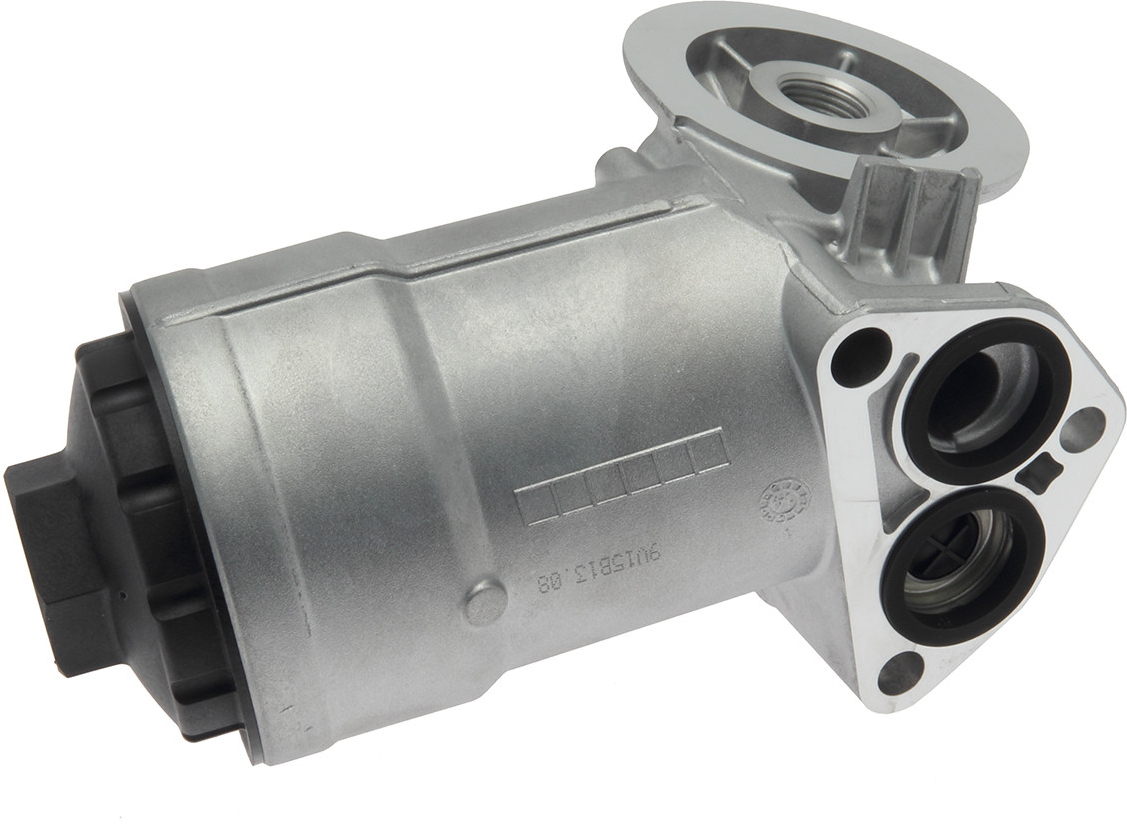
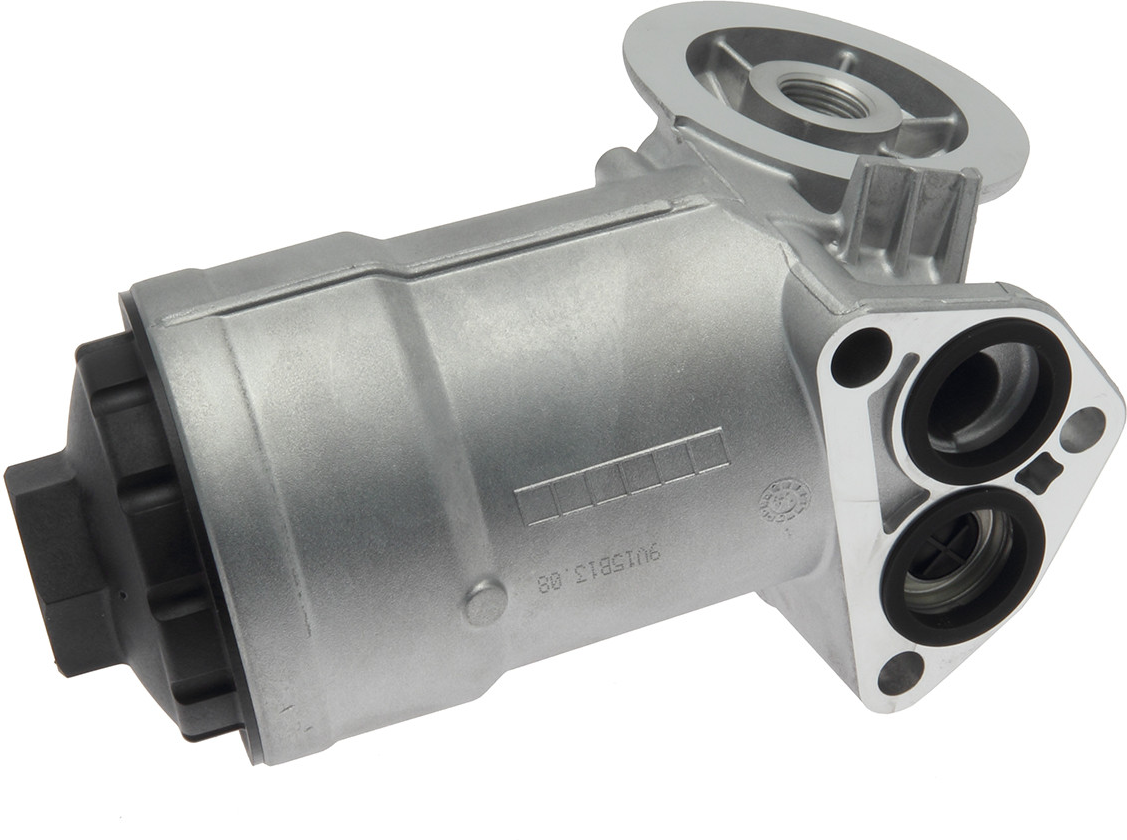
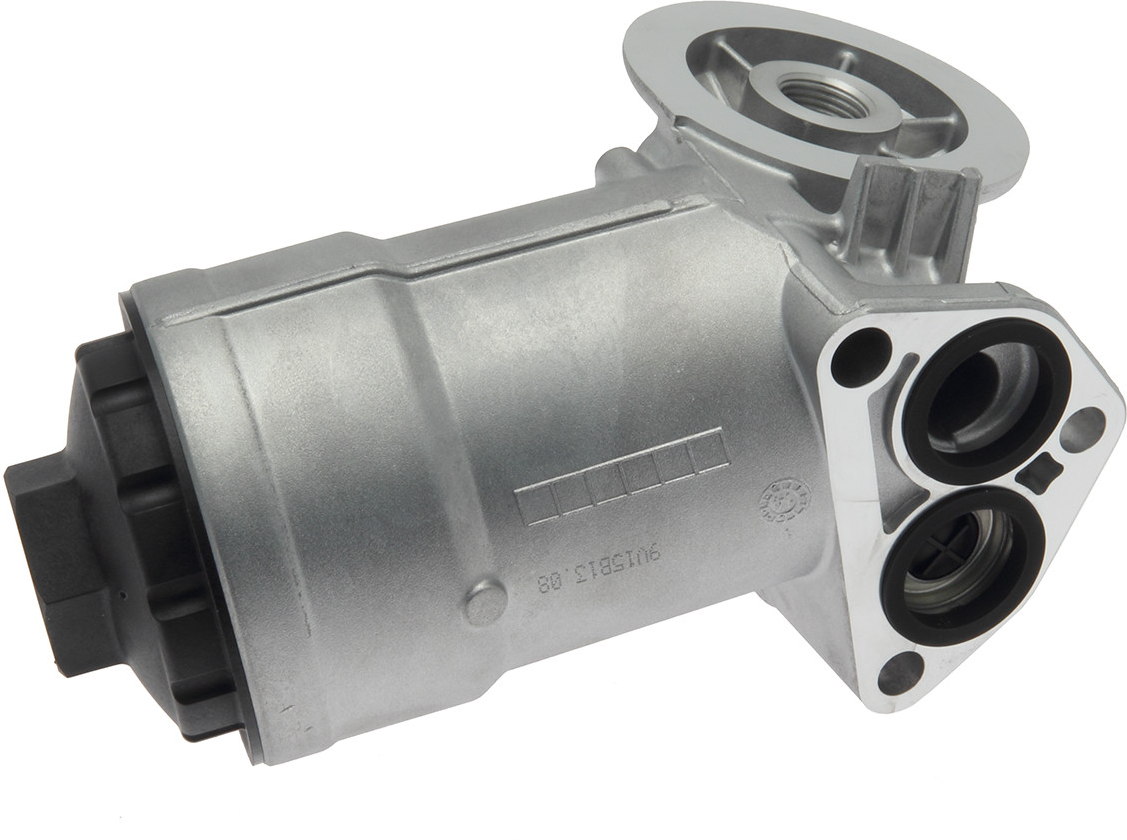
MAXGEAR 27-1683 Oil filter housingSupplementary Article / Supplementary Info: with gaskets/seals; Supplementary Article / Supplementary Info Info 2: with radiator, with sealing cap, with filter; TecDoc Engine Number: 30401, 29233, 32534, 34115, 31354107,99 £*Shipping: 8,45 £Secure redirect to the provider

-
Who owns the heating oil in the tank when renting to buy an apartment?
Typically, when renting to buy an apartment, the heating oil in the tank belongs to the tenant who is currently residing in the apartment. However, it is essential to clarify this in the rental agreement or contract between the landlord and the tenant. It is recommended to discuss and document the ownership and responsibility for heating oil in the tank to avoid any misunderstandings or disputes in the future. **
-
Can I pour diesel into the heating oil tank?
No, you should not pour diesel into the heating oil tank. While both diesel and heating oil are similar in composition, they are not the same. Diesel has a higher sulfur content and different additives compared to heating oil. Using diesel in a heating oil tank can lead to clogs, damage to the heating system, and potentially pose a safety hazard. It is important to use the appropriate fuel for your heating system to ensure its proper functioning and safety. **
-
Is an oil heating system without underfloor heating, but with a buffer tank, reasonable?
Yes, an oil heating system without underfloor heating but with a buffer tank can be reasonable. The buffer tank helps to store and distribute the heated water, providing a more consistent and efficient heating system. While underfloor heating can provide a more even distribution of heat, it is not always necessary, and a well-designed radiator system can still effectively heat a space. Additionally, an oil heating system with a buffer tank can be a cost-effective and reliable option for homes that do not have access to natural gas or other heating alternatives. **
-
Is the oil tank of the oil heating system pressurized?
Yes, the oil tank of an oil heating system is pressurized. The tank is typically pressurized to ensure a consistent flow of oil to the burner for efficient combustion. The pressure helps to push the oil through the system and into the burner, where it is then ignited to produce heat. Proper pressurization of the oil tank is important for the system to function effectively and safely. **

What pressure should prevail in the heating system expansion tank?
The pressure in the heating system expansion tank should be set to match the pressure of the water in the system when it is cold. This pressure is typically around 12-15 psi (pounds per square inch) for a residential heating system. It is important to periodically check and adjust the pressure in the expansion tank to ensure proper functioning of the system and prevent any issues related to pressure fluctuations. **
How can the tank level of heating oil be determined?
The tank level of heating oil can be determined using a few different methods. One common way is to use a dipstick or measuring tape to physically measure the depth of the oil in the tank. Another method is to use a tank level gauge, which can be either mechanical or electronic, to provide a reading of the oil level. Additionally, some tanks may have a sight glass or transparent portion that allows for visual inspection of the oil level. Regular monitoring of the tank level is important to ensure that there is an adequate supply of heating oil for the system. **
Top-Angebote
Products related to MAXGEAR-27-2021-Heating-tank:
-
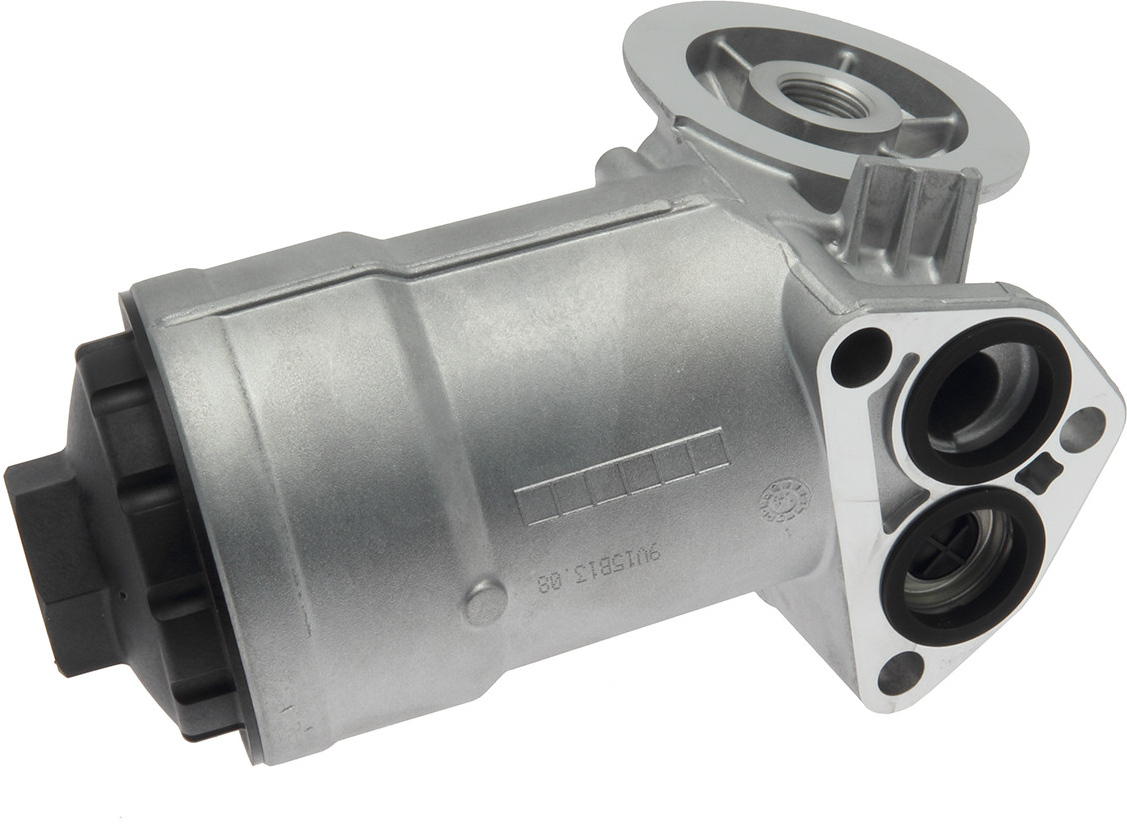
MAXGEAR 27-1683 Oil filter housingSupplementary Article / Supplementary Info: with gaskets/seals; Supplementary Article / Supplementary Info Info 2: with radiator, with sealing cap, with filter; TecDoc Engine Number: 30401, 29233, 32534, 34115, 31354107,99 £*Shipping: 8,45 £Secure redirect to the provider
-
Who owns the heating oil in the tank when renting a apartment?
When renting an apartment, the heating oil in the tank typically belongs to the landlord or property owner. The cost of the heating oil is usually included in the rent or billed separately to the tenant. It is important for tenants to clarify the terms of the heating oil arrangement with the landlord before signing the lease to avoid any misunderstandings. **
-
How much heating oil is in the tank?
Without knowing the size of the tank, it is impossible to determine the exact amount of heating oil in the tank. However, if the tank has a gauge, it can be used to measure the level of oil in the tank. Alternatively, the tank can be physically measured or the oil company can be contacted to provide an estimate based on previous deliveries and usage. **
-
Who owns the heating oil in the tank when renting to buy an apartment?
Typically, when renting to buy an apartment, the heating oil in the tank belongs to the tenant who is currently residing in the apartment. However, it is essential to clarify this in the rental agreement or contract between the landlord and the tenant. It is recommended to discuss and document the ownership and responsibility for heating oil in the tank to avoid any misunderstandings or disputes in the future. **
-
Can I pour diesel into the heating oil tank?
No, you should not pour diesel into the heating oil tank. While both diesel and heating oil are similar in composition, they are not the same. Diesel has a higher sulfur content and different additives compared to heating oil. Using diesel in a heating oil tank can lead to clogs, damage to the heating system, and potentially pose a safety hazard. It is important to use the appropriate fuel for your heating system to ensure its proper functioning and safety. **
Similar search terms for MAXGEAR-27-2021-Heating-tank
-
MAXGEAR 27-2744 Oil filter housingSupplementary Article / Supplementary Info: with gasket/seal, with oil filter; Supplementary Article / Supplementary Info Info 2: with cover; TecDoc Engine Number: 33107, 34963, 35325, 35896, 36649, 36619, 39546, 37373, 4009962,99 £*Shipping: 8,45 £Secure redirect to the provider
-
Is an oil heating system without underfloor heating, but with a buffer tank, reasonable?
Yes, an oil heating system without underfloor heating but with a buffer tank can be reasonable. The buffer tank helps to store and distribute the heated water, providing a more consistent and efficient heating system. While underfloor heating can provide a more even distribution of heat, it is not always necessary, and a well-designed radiator system can still effectively heat a space. Additionally, an oil heating system with a buffer tank can be a cost-effective and reliable option for homes that do not have access to natural gas or other heating alternatives. **
-
Is the oil tank of the oil heating system pressurized?
Yes, the oil tank of an oil heating system is pressurized. The tank is typically pressurized to ensure a consistent flow of oil to the burner for efficient combustion. The pressure helps to push the oil through the system and into the burner, where it is then ignited to produce heat. Proper pressurization of the oil tank is important for the system to function effectively and safely. **
-
What pressure should prevail in the heating system expansion tank?
The pressure in the heating system expansion tank should be set to match the pressure of the water in the system when it is cold. This pressure is typically around 12-15 psi (pounds per square inch) for a residential heating system. It is important to periodically check and adjust the pressure in the expansion tank to ensure proper functioning of the system and prevent any issues related to pressure fluctuations. **
-
How can the tank level of heating oil be determined?
The tank level of heating oil can be determined using a few different methods. One common way is to use a dipstick or measuring tape to physically measure the depth of the oil in the tank. Another method is to use a tank level gauge, which can be either mechanical or electronic, to provide a reading of the oil level. Additionally, some tanks may have a sight glass or transparent portion that allows for visual inspection of the oil level. Regular monitoring of the tank level is important to ensure that there is an adequate supply of heating oil for the system. **
* All prices are inclusive of VAT and, if applicable, plus shipping costs. The offer information is based on the details provided by the respective shop and is updated through automated processes. Real-time updates do not occur, so deviations can occur in individual cases. ** Note: Parts of this content were created by AI.