Buy locaflat.eu ?
We are moving the project
locaflat.eu .
Are you interested in purchasing the domain
locaflat.eu ?
domain@kv-gmbh.de · 0541-91531010
Buy locaflat.eu ?
How to protect privacy and noise protection in a rental apartment?
To protect privacy and noise protection in a rental apartment, you can start by using heavy curtains or blinds to block out noise and prying eyes. Additionally, consider adding weather stripping to doors and windows to reduce noise from outside. You can also talk to your landlord about installing soundproofing materials in the walls or ceilings. Finally, be mindful of your own noise levels and consider using rugs or carpets to dampen sound within your apartment. **
What are some ideas for privacy screens in a rental apartment?
Some ideas for privacy screens in a rental apartment include using room dividers such as folding screens or curtains to section off areas, installing tension rods with curtains or sheer fabric to create separation, using bookshelves or tall plants to create a visual barrier, or hanging decorative tapestries or artwork to add privacy. These options are temporary and can be easily removed without causing damage to the rental property. **
Similar search terms for Privacy
Top-Angebote
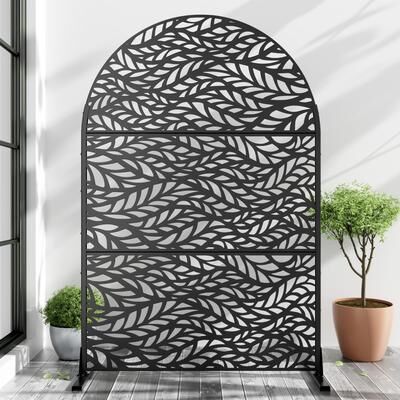
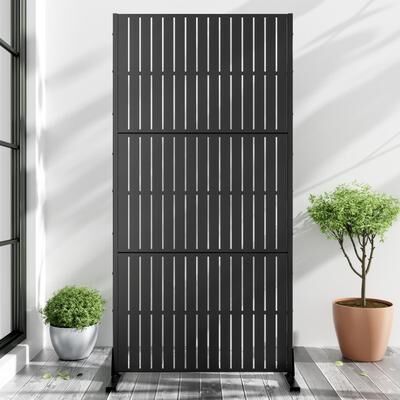
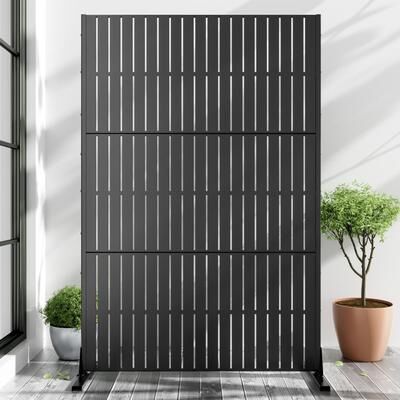
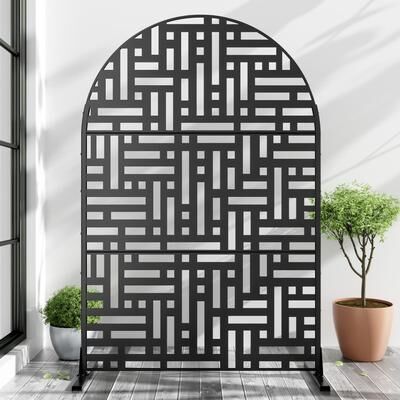
Products related to Privacy:


-
What are the costs for a privacy screen in a rental apartment?
The costs for a privacy screen in a rental apartment can vary depending on the size, material, and quality of the screen. On average, a basic privacy screen can range from $50 to $200. However, more elaborate or custom-made screens can cost upwards of $500 or more. It's important to consider your budget and the specific needs of your space when determining the cost of a privacy screen for your rental apartment. **
-
How can the protection of privacy and noise protection be ensured in a rental apartment?
To ensure the protection of privacy in a rental apartment, tenants can use window treatments such as curtains or blinds to prevent outsiders from looking in. Additionally, they can communicate with their neighbors about respecting each other's privacy and keeping noise levels down. To ensure noise protection, tenants can use rugs and carpets to dampen sound, and communicate with their neighbors about being mindful of noise levels, especially during quiet hours. Landlords can also play a role by ensuring that the building has proper insulation and soundproofing, and by enforcing noise regulations in the building. **
-
How can one reconcile room control and privacy?
One way to reconcile room control and privacy is by implementing smart technology that allows individuals to have control over their room settings while also respecting their privacy. For example, smart locks and privacy settings on smart devices can give individuals the ability to control who has access to their room and when. Additionally, clear communication and boundaries with roommates or housemates can help ensure that everyone's privacy is respected while still allowing for shared control over common areas. Ultimately, finding a balance between control and privacy requires open communication, respect for boundaries, and the use of technology that prioritizes both. **
-
Is there no privacy when sharing a room?
Sharing a room with someone typically means that there is less privacy compared to having your own room. While there may be some level of privacy, such as using a divider or curtain, it is generally limited. Personal space and alone time may be compromised, and there may be less control over noise, lighting, and other environmental factors. It's important to establish boundaries and communicate openly with roommates to ensure a comfortable living situation. **
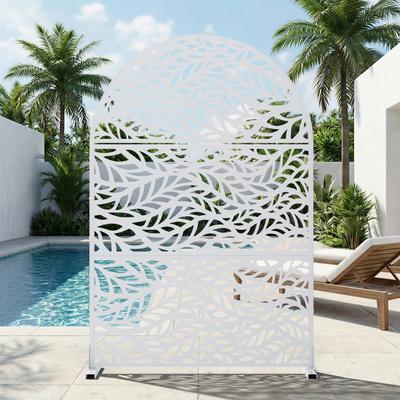
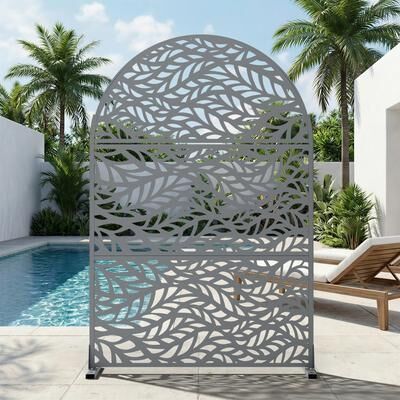
Is there no privacy in the shared apartment?
In a shared apartment, privacy can be limited compared to living alone. Common areas such as the living room, kitchen, and bathroom are shared among roommates, so there may be less privacy in these spaces. However, individuals can still have privacy in their own bedrooms by setting boundaries and communicating with their roommates about personal space and alone time. It ultimately depends on the dynamics and communication within the shared living situation. **
What is privacy?
Privacy is the ability of an individual to control the access to their personal information and activities. It involves the right to keep certain aspects of one's life confidential and to limit the intrusion of others into their personal space. Privacy is essential for maintaining autonomy, dignity, and security in both physical and digital environments. It is a fundamental human right that is protected by laws and regulations in many countries. **
Top-Angebote
Products related to Privacy:
-
How to protect privacy and noise protection in a rental apartment?
To protect privacy and noise protection in a rental apartment, you can start by using heavy curtains or blinds to block out noise and prying eyes. Additionally, consider adding weather stripping to doors and windows to reduce noise from outside. You can also talk to your landlord about installing soundproofing materials in the walls or ceilings. Finally, be mindful of your own noise levels and consider using rugs or carpets to dampen sound within your apartment. **
-
What are some ideas for privacy screens in a rental apartment?
Some ideas for privacy screens in a rental apartment include using room dividers such as folding screens or curtains to section off areas, installing tension rods with curtains or sheer fabric to create separation, using bookshelves or tall plants to create a visual barrier, or hanging decorative tapestries or artwork to add privacy. These options are temporary and can be easily removed without causing damage to the rental property. **
-
What are the costs for a privacy screen in a rental apartment?
The costs for a privacy screen in a rental apartment can vary depending on the size, material, and quality of the screen. On average, a basic privacy screen can range from $50 to $200. However, more elaborate or custom-made screens can cost upwards of $500 or more. It's important to consider your budget and the specific needs of your space when determining the cost of a privacy screen for your rental apartment. **
-
How can the protection of privacy and noise protection be ensured in a rental apartment?
To ensure the protection of privacy in a rental apartment, tenants can use window treatments such as curtains or blinds to prevent outsiders from looking in. Additionally, they can communicate with their neighbors about respecting each other's privacy and keeping noise levels down. To ensure noise protection, tenants can use rugs and carpets to dampen sound, and communicate with their neighbors about being mindful of noise levels, especially during quiet hours. Landlords can also play a role by ensuring that the building has proper insulation and soundproofing, and by enforcing noise regulations in the building. **
Similar search terms for Privacy
-
How can one reconcile room control and privacy?
One way to reconcile room control and privacy is by implementing smart technology that allows individuals to have control over their room settings while also respecting their privacy. For example, smart locks and privacy settings on smart devices can give individuals the ability to control who has access to their room and when. Additionally, clear communication and boundaries with roommates or housemates can help ensure that everyone's privacy is respected while still allowing for shared control over common areas. Ultimately, finding a balance between control and privacy requires open communication, respect for boundaries, and the use of technology that prioritizes both. **
-
Is there no privacy when sharing a room?
Sharing a room with someone typically means that there is less privacy compared to having your own room. While there may be some level of privacy, such as using a divider or curtain, it is generally limited. Personal space and alone time may be compromised, and there may be less control over noise, lighting, and other environmental factors. It's important to establish boundaries and communicate openly with roommates to ensure a comfortable living situation. **
-
Is there no privacy in the shared apartment?
In a shared apartment, privacy can be limited compared to living alone. Common areas such as the living room, kitchen, and bathroom are shared among roommates, so there may be less privacy in these spaces. However, individuals can still have privacy in their own bedrooms by setting boundaries and communicating with their roommates about personal space and alone time. It ultimately depends on the dynamics and communication within the shared living situation. **
-
What is privacy?
Privacy is the ability of an individual to control the access to their personal information and activities. It involves the right to keep certain aspects of one's life confidential and to limit the intrusion of others into their personal space. Privacy is essential for maintaining autonomy, dignity, and security in both physical and digital environments. It is a fundamental human right that is protected by laws and regulations in many countries. **
* All prices are inclusive of VAT and, if applicable, plus shipping costs. The offer information is based on the details provided by the respective shop and is updated through automated processes. Real-time updates do not occur, so deviations can occur in individual cases. ** Note: Parts of this content were created by AI.