Buy locaflat.eu ?
We are moving the project
locaflat.eu .
Are you interested in purchasing the domain
locaflat.eu ?
domain@kv-gmbh.de · 0541-91531010
Buy locaflat.eu ?
What are rudimentary organs?
Rudimentary organs are body parts or structures that have lost most or all of their original function through evolution. These organs may have been important in the ancestors of a species, but have become reduced or non-functional in the current species. Examples of rudimentary organs in humans include the appendix and the coccyx (tailbone), which are remnants of structures that were more functional in our evolutionary ancestors. Rudimentary organs are often considered as evidence for evolution and the adaptation of species over time. **
Is stronger evidence of evolution rudimentary structures or atavisms?
Stronger evidence of evolution would likely be atavisms rather than rudimentary structures. Atavisms are traits that reappear in a species after being lost in its evolutionary history, providing a direct link to the species' ancestors and demonstrating the process of evolution. On the other hand, rudimentary structures are remnants of once-functional features that have lost their original purpose over time, which can also provide evidence of evolution but may not be as compelling as atavisms in terms of demonstrating evolutionary processes. **

Similar search terms for Rudimentary
Top-Angebote
Products related to Rudimentary:
-
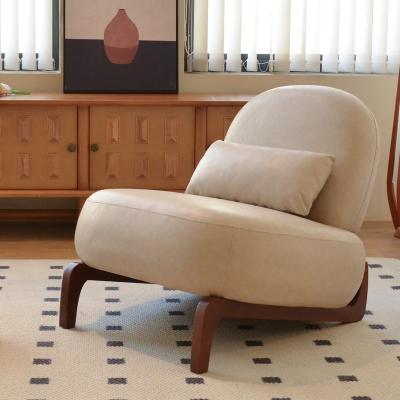
Cute Accent Chair with Faux Leather Upholstery for Living Room, Bedroom, Apartment, Waiting Room and BalconyThis modern armless accent chair features soft faux leather upholstery and solid wood legs, combining luxurious comfort with lasting durability.309,99 $*Shipping: 0,00 $Secure redirect to the provider
-
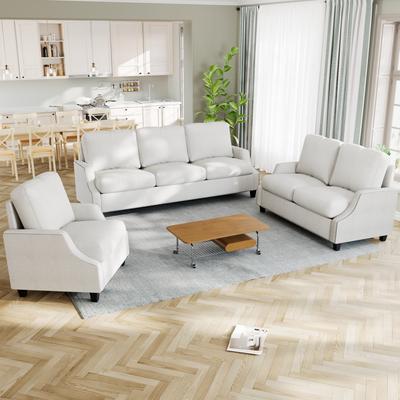
GDFStudio - Polyester 3-Piece Living Room Sofa Furniture Sets for ApartmentStatement Scale & Balanced Proportion: This three-piece living room set is designed to form an inviting yet composed seating group for everyday life — a three-seater sofa, a two-seater loveseat and a single accent chair that together offer abundant…937,38 $*Shipping: 0,00 $Secure redirect to the provider


-
How has the rudimentary organ developed in the evolution of humans?
The concept of rudimentary organs in human evolution refers to organs or structures that have lost their original function over time. These organs may have been important in the evolutionary history of our ancestors, but have become less necessary as our species has evolved. For example, the appendix is thought to have been important for digesting tough plant materials in our ancestors, but is now considered a vestigial organ with no clear function in modern humans. The development of rudimentary organs in humans is a result of natural selection and genetic changes over time, as our species has adapted to new environments and lifestyles. **
-
Why do humpback whales have rudimentary pelvises and thigh bones? Is this evidence of evolution?
Humpback whales have rudimentary pelvises and thigh bones because they are remnants of their evolutionary history when their ancestors walked on land. Over millions of years, as whales transitioned from land to water, these structures became unnecessary for their aquatic lifestyle but were not completely lost due to genetic constraints. This is considered evidence of evolution as it demonstrates how anatomical features can change over time in response to environmental pressures and adaptations. **
-
Why do humpback whales have rudimentary pelvis and thigh bones? Is this evidence for evolution?
Humpback whales have rudimentary pelvis and thigh bones because they are remnants of their evolutionary history when their ancestors walked on land. These bones are no longer functional for walking on land, but they are evidence of the whale's evolutionary transition from land-dwelling to fully aquatic animals. This is evidence for evolution as it demonstrates how species have evolved and adapted over time to their changing environments. **
-
Can one live alone in a 2-room apartment with a housing allowance certificate?
Living alone in a 2-room apartment with a housing allowance certificate is possible, but it would depend on the specific amount of the housing allowance and the cost of rent in the area. It's important to carefully budget and consider other expenses such as utilities, groceries, and transportation. Additionally, it's advisable to have some savings for unexpected expenses or emergencies. Overall, with proper planning and budgeting, it is possible to live alone in a 2-room apartment with a housing allowance certificate. **


Can one live alone in a 2-room apartment with a housing subsidy certificate?
Yes, it is possible to live alone in a 2-room apartment with a housing subsidy certificate. The subsidy can help cover a portion of the rent, making it more affordable for individuals with limited income to live in a larger space. However, it is important to consider other expenses such as utilities, groceries, and transportation when budgeting for living alone in a 2-room apartment. It is also advisable to carefully review the terms and conditions of the housing subsidy certificate to ensure compliance with any requirements. **
What is better for the first own apartment: a small apartment or a shared flat (WG) room?
The decision between a small apartment and a shared flat (WG) room depends on personal preferences and priorities. A small apartment offers more privacy and independence, but it can also be more expensive and require more responsibility for maintenance and bills. On the other hand, a shared flat (WG) room allows for social interaction and shared expenses, but it also requires compromise and consideration for roommates. Ultimately, the best option for the first own apartment depends on individual lifestyle, budget, and comfort with sharing living space. **
Top-Angebote
Products related to Rudimentary:
-
GDFStudio - Polyester 3-Piece Living Room Sofa Furniture Sets for ApartmentStatement Scale & Balanced Proportion: This three-piece living room set is designed to form an inviting yet composed seating group for everyday life — a three-seater sofa, a two-seater loveseat and a single accent chair that together offer abundant…937,38 $*Shipping: 0,00 $Secure redirect to the provider
-
Cute Accent Chair with Faux Leather Upholstery for Living Room, Bedroom, Apartment, Waiting Room and BalconyThis modern armless accent chair features soft faux leather upholstery and solid wood legs, combining luxurious comfort with lasting durability.309,99 $*Shipping: 0,00 $Secure redirect to the provider
-
What are rudimentary organs?
Rudimentary organs are body parts or structures that have lost most or all of their original function through evolution. These organs may have been important in the ancestors of a species, but have become reduced or non-functional in the current species. Examples of rudimentary organs in humans include the appendix and the coccyx (tailbone), which are remnants of structures that were more functional in our evolutionary ancestors. Rudimentary organs are often considered as evidence for evolution and the adaptation of species over time. **
-
Is stronger evidence of evolution rudimentary structures or atavisms?
Stronger evidence of evolution would likely be atavisms rather than rudimentary structures. Atavisms are traits that reappear in a species after being lost in its evolutionary history, providing a direct link to the species' ancestors and demonstrating the process of evolution. On the other hand, rudimentary structures are remnants of once-functional features that have lost their original purpose over time, which can also provide evidence of evolution but may not be as compelling as atavisms in terms of demonstrating evolutionary processes. **
-
How has the rudimentary organ developed in the evolution of humans?
The concept of rudimentary organs in human evolution refers to organs or structures that have lost their original function over time. These organs may have been important in the evolutionary history of our ancestors, but have become less necessary as our species has evolved. For example, the appendix is thought to have been important for digesting tough plant materials in our ancestors, but is now considered a vestigial organ with no clear function in modern humans. The development of rudimentary organs in humans is a result of natural selection and genetic changes over time, as our species has adapted to new environments and lifestyles. **
-
Why do humpback whales have rudimentary pelvises and thigh bones? Is this evidence of evolution?
Humpback whales have rudimentary pelvises and thigh bones because they are remnants of their evolutionary history when their ancestors walked on land. Over millions of years, as whales transitioned from land to water, these structures became unnecessary for their aquatic lifestyle but were not completely lost due to genetic constraints. This is considered evidence of evolution as it demonstrates how anatomical features can change over time in response to environmental pressures and adaptations. **
Similar search terms for Rudimentary
-
GDFStudio - Polyester 3-Piece Living Room Sofa Furniture Sets for ApartmentStatement Scale & Balanced Proportion: This three-piece living room set is designed to form an inviting yet composed seating group for everyday life — a three-seater sofa, a two-seater loveseat and a single accent chair that together offer abundant…937,38 $*Shipping: 0,00 $Secure redirect to the provider
-
Why do humpback whales have rudimentary pelvis and thigh bones? Is this evidence for evolution?
Humpback whales have rudimentary pelvis and thigh bones because they are remnants of their evolutionary history when their ancestors walked on land. These bones are no longer functional for walking on land, but they are evidence of the whale's evolutionary transition from land-dwelling to fully aquatic animals. This is evidence for evolution as it demonstrates how species have evolved and adapted over time to their changing environments. **
-
Can one live alone in a 2-room apartment with a housing allowance certificate?
Living alone in a 2-room apartment with a housing allowance certificate is possible, but it would depend on the specific amount of the housing allowance and the cost of rent in the area. It's important to carefully budget and consider other expenses such as utilities, groceries, and transportation. Additionally, it's advisable to have some savings for unexpected expenses or emergencies. Overall, with proper planning and budgeting, it is possible to live alone in a 2-room apartment with a housing allowance certificate. **
-
Can one live alone in a 2-room apartment with a housing subsidy certificate?
Yes, it is possible to live alone in a 2-room apartment with a housing subsidy certificate. The subsidy can help cover a portion of the rent, making it more affordable for individuals with limited income to live in a larger space. However, it is important to consider other expenses such as utilities, groceries, and transportation when budgeting for living alone in a 2-room apartment. It is also advisable to carefully review the terms and conditions of the housing subsidy certificate to ensure compliance with any requirements. **
-
What is better for the first own apartment: a small apartment or a shared flat (WG) room?
The decision between a small apartment and a shared flat (WG) room depends on personal preferences and priorities. A small apartment offers more privacy and independence, but it can also be more expensive and require more responsibility for maintenance and bills. On the other hand, a shared flat (WG) room allows for social interaction and shared expenses, but it also requires compromise and consideration for roommates. Ultimately, the best option for the first own apartment depends on individual lifestyle, budget, and comfort with sharing living space. **
* All prices are inclusive of VAT and, if applicable, plus shipping costs. The offer information is based on the details provided by the respective shop and is updated through automated processes. Real-time updates do not occur, so deviations can occur in individual cases. ** Note: Parts of this content were created by AI.